
Across the University of Maryland campus, gardens and outdoor spaces provide much more than beauty. They create places for learning, reflection, recreation and community while supporting pollinators, managing stormwater, providing shade and strengthening the campus ecosystem.
Unlike buildings or monuments, however, landscapes are never truly finished. Plants grow, mature and eventually need to be replaced. Weather can take a toll, and distinctive features such as fountains, decking and benches require specialized maintenance.
Maintaining these spaces over time requires consistent funding and attentive care — a need that becomes especially pressing when university budgets are constrained. Donor support can provide dedicated resources to preserve these special places and the intentions behind them.
“When budgets are constrained, these funds ensure continuity for material purchases and occasionally labor support,” explains Karen Petroff, director of Landscape and Special Services within Facilities Management’s Building & Landscape Maintenance unit.

Reisse Park: A Model for Long-Term Stewardship
A recent commitment from UMD alumni and longtime supporters Dana and Bob Reisse demonstrates the lasting impact this kind of support can have.
Andrew Reisse Park, located atop the Brendan Iribe Center for Computer Science and Engineering, was created in memory of the Reisses’ son, Andrew ’01. A UMD computer science and mathematics graduate, Andrew loved hiking, photography, waterfalls, and the natural world. The rooftop garden’s plantings, water feature, and wood deck areas reflect those interests and offer the campus community a place to pause and recharge.
The family’s initial gift helped support the park’s construction but did not include funding for ongoing maintenance. Now, the Reisses are expanding their philanthropy to help sustain the outdoor spaces that reflect his love of nature.
Over the next three years, Dana and Bob will contribute $40,000 annually to a current-use fund and another $40,000 annually to an endowment —a total commitment of $240,000. The current-use fund can support projects immediately, while the endowment principal will remain intact and generate income for plant replacement, enhancements with Maryland native species, and specialized care for features such as the park’s wood decking and benches.
The value of that support can extend beyond maintaining a landscape exactly as it was created. “If a garden or feature must be changed, these funds ensure that resources are available to continue to honor the donor’s intention in a new area,” Petroff notes.

Gluckstern Garden: The Gluckstern Garden, located at the center of the Physical Sciences Complex, was established and endowed in memory of Robert Gluckstern, who served as UMD chancellor from 1975 to 1982 before returning to teaching and research. Its endowment supports replacement plants within the garden and surrounding landscape.
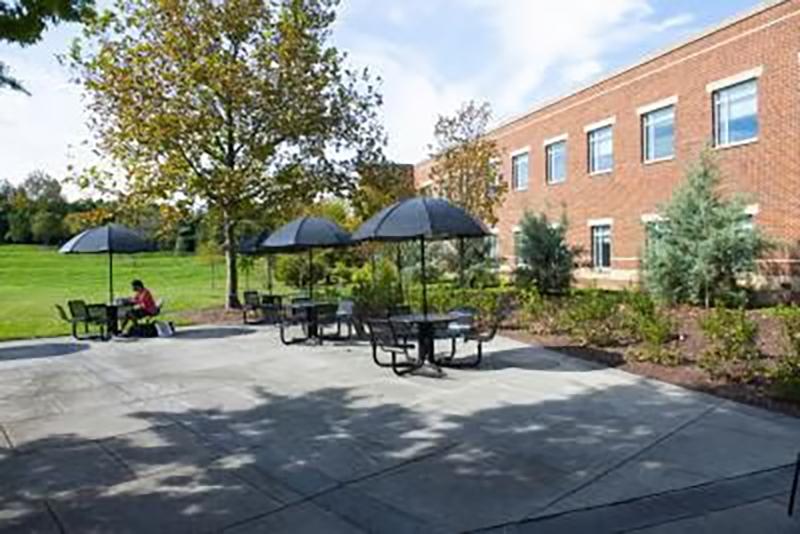
The Clarice Landscape and Mayer Mall: At The Clarice Smith Performing Arts Center and nearby Mayer Mall, Robert H. Smith and landscape architect Andy Balderson took a hands-on approach to creating distinctive landscapes. Dedicated endowment funds support elevated maintenance practices, including detailed management plans for large specimen trees selected by Smith and moved to their current locations.
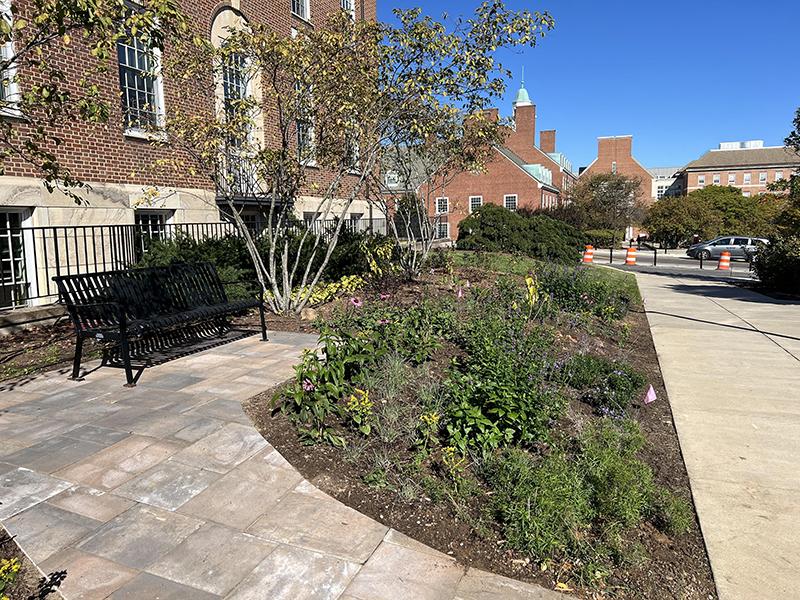
Karin Lazarus Memorial Pollinator Garden: Along the east side of H.J. Patterson Hall, the Karin Lazarus Memorial Pollinator Garden demonstrates how donor support can advance conservation and education as well as campus beauty. Donor funding helped construct the garden, and annual gifts support its continued maintenance and improvement with Maryland native plants that provide food and habitat for bees, butterflies, and other pollinators. The support also helps fund a collaborative seminar highlighting conservation landscapes and the importance of their ongoing stewardship.
From Vision to Lasting Landscape
Ideas for donor-supported landscapes may originate with donors, college development officers, or Arboretum staff, but turning those ideas into spaces the university can responsibly create and maintain requires strategic collaboration among FM’s Planning & Construction team, college and department stakeholders, and other campus partners.
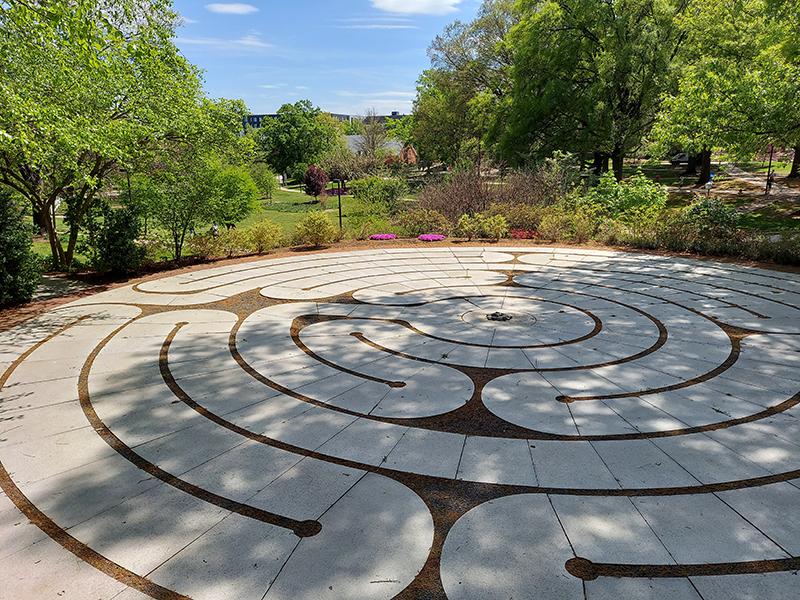
One example of how that collaborative process can shape and sustain a meaningful campus space is the Garden of Reflection and Remembrance at Memorial Chapel. Conceived following September 11, 2001, the garden was brought to life through student landscape architecture studios, stakeholder engagement, planning oversight, and construction management by Planning & Construction staff. Today, a Chapel Garden Steward, funded each semester and summer by the Division of Student Affairs and supervised by Arboretum and Botanical Gardens staff, helps care for what Petroff calls a “beloved community space.”
This combination of thoughtful planning and ongoing care reflects the broader partnership behind donor-supported landscapes. FM helps translate donor visions into spaces that can grow with the campus, while donor support provides the continuity needed to honor the people, values, and memories those spaces represent. The lasting value of that partnership can be seen in even the most personal gifts.
One recent gift commemorated a couple’s wedding with a tree planted along a path they frequently walked as UMD students when they first met. The tree now provides what Petroff describes as “shade and beauty for all who travel the same path.”